Rostov-on-Don rocked by massive drone attack, Russian air defenses respond

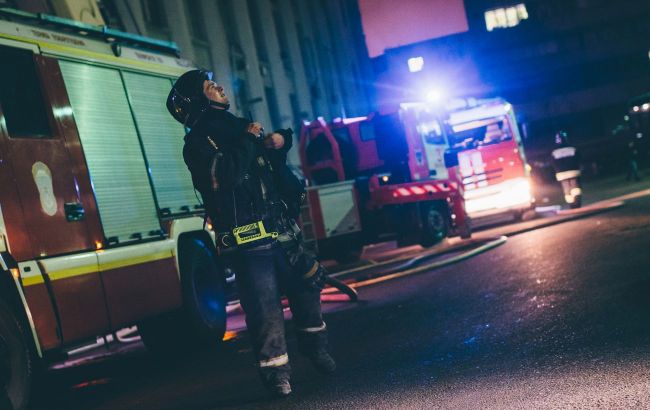 Russian firefighters respond to the aftermath of the attack (Illustrative photo: Getty Images)
Rostov-on-Don came under a nighttime drone attack on December 15. Russian air defense reported the destruction of dozens of drones, according to local Telegram channels.
Residents on social media said that explosions in Rostov-on-Don began around 2:20 a.m. in the western part of the city and continued intermittently for some time. Earlier, air raid warnings had been issued in the Rostov region due to the threat of drone attacks.
Before the explosions, residents on the outskirts reported hearing the characteristic sounds of drones in flight. It was reported that debris from one of the downed drones fell in a residential area, sparking a fire.
In the released footage, the moment an aerial target was hit can be seen: burning debris, which eyewitnesses say nearly fell onto a residential high-rise. Witnesses also reported that the explosion was so powerful that windows rattled in surrounding buildings and car alarms went off in parked vehicles.
There is currently no information about casualties.
Russian authorities have not yet released confirmed information regarding the scale of the attack or its possible consequences.
Rostov-on-Don is a major logistical and military-administrative hub in southern Russia. As a result, potential drone targets are typically considered to be military infrastructure, air defense facilities, fuel and ammunition depots, as well as transport and command elements supporting operations in the southern direction.
In addition, the city has well-developed rail and road logistics used for the transfer of equipment and personnel, which increases its strategic importance.
Strikes or attempted strikes on such facilities are intended to disrupt supply chains, complicate military command and control, and demonstrate the vulnerability of rear areas - not so much by causing direct harm to civilians, but by exerting pressure on the security system as a whole.