These foods could be reason you can’t sleep at night

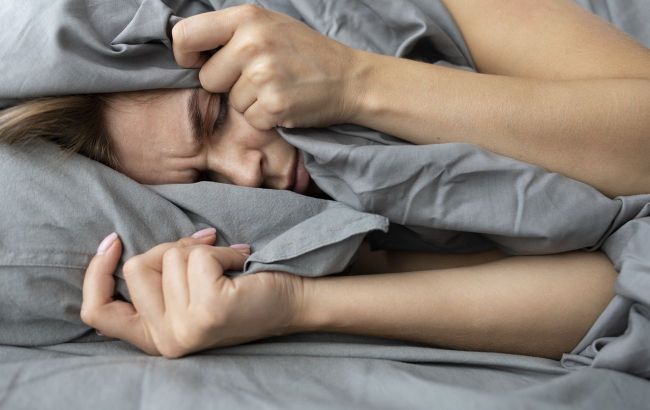 What foods contribute to insomnia (photo: magnific)
Sleep problems are often treated with sleeping pills or calming drops. However, modern medical research shows that the key to deep and high-quality sleep lies in our daily diet.
What to eat and what to avoid is explained by Professor and dietitian Oleh Shvets.
Nutrition and sleep
A deficiency of certain vitamins and an improper diet can completely disrupt the body’s natural biorhythms.
Our brain and nervous system require specific nutrients to produce sleep hormones on time and relax the muscles after a stressful day. When these elements are critically lacking, even a person who is physically exhausted may lie awake for hours and feel completely drained and tired in the morning.
Key vitamins and minerals for the nervous system
The foundation of healthy sleep is a proper balance of vitamins and micronutrients. Vitamin D plays a particularly important role, directly affecting brain regions that strictly control our circadian rhythms. In addition to sunlight, it can be obtained from fatty fish such as salmon or tuna, as well as egg yolks.
B vitamins are also essential for the nervous system. In particular, vitamin B12 is actively involved in the synthesis of melatonin, while B6 helps reduce symptoms of chronic insomnia.
To supply the body with these essential nutrients, it is recommended to regularly include fresh dairy products, ripe bananas, and leafy greens in the diet.
For deep muscle relaxation, the body needs magnesium and zinc, which are abundant in various seeds and seafood. However, experts consider tryptophan a true natural sleep aid.
This is a unique amino acid that serves as a building block for serotonin and melatonin production. Large amounts of tryptophan are found in legumes, tofu, and nuts. In addition, vitamin C should not be forgotten — found in citrus fruits and broccoli — as it helps protect cells from oxidative stress and supports a stable immune system.
When to close the kitchen
For a long time, dietitians insisted that eating before bed was strictly forbidden, as it supposedly inevitably leads to weight gain. However, recent long-term observations have completely debunked this myth.
Sleep experts note that the optimal time for a full dinner is two to four hours before going to bed. This is enough time for the body to digest food and avoid acid reflux, which is often an overlooked cause of sudden nighttime awakenings.
If you had an early dinner and feel very hungry later at night, a light snack may actually be beneficial. It helps stabilize blood sugar levels and quickly reduces anxiety.
An ideal choice would be a small handful of walnuts or almonds, which naturally contain melatonin. A cup of warm milk, a portion of low-fat natural yogurt, or fresh cherries also work well. To relieve nervous tension and prepare the body for sleep, chamomile tea is also highly effective.
Foods that steal your rest
At the same time, there are popular foods that can reliably ruin your night. Experts strongly advise against eating spicy and acidic dishes before bed, as they can trigger severe heartburn, especially when lying down.
Heavy foods high in saturated fats, such as fried meat or aged fatty cheeses, force the gastrointestinal system to work intensively throughout the night. As a result, the body cannot fully relax, leading to shallow and restless sleep.
Caffeine is also a hidden threat. It can be found not only in evening coffee or strong tea but also in chocolate desserts. And doctors unanimously name alcohol as the main enemy of quality rest.
Although a glass of wine may cause a false sense of sleepiness, it will inevitably disrupt deep sleep phases in the second half of the night. Drinking alcohol before bed makes you wake up easily from the slightest sound and feel completely exhausted the next morning.
This material is for informational purposes only and should not be used for medical diagnosis or self-treatment. Our goal is to provide readers with accurate information about symptoms, causes, and methods of detecting diseases. RBС-Ukraine is not responsible for any diagnoses that readers may make based on materials from the resource. We do not recommend self-treatment and advise consulting a doctor in case of any health concerns.