Never store these foods in refrigerator or you’ll ruin the taste

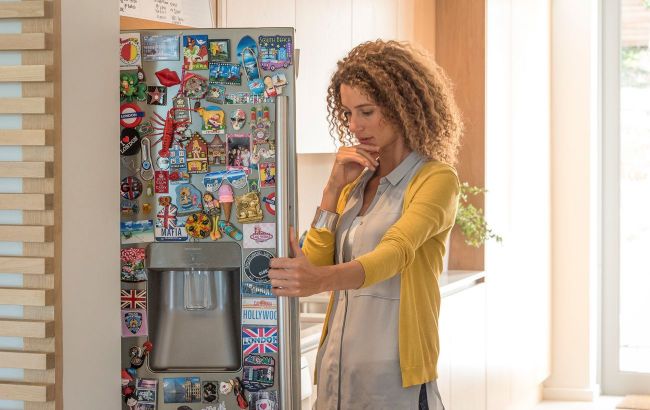 Which foods can be stored without a refrigerator (photo: Getty Images)
Most people believe that a refrigerator saves any kind of food, but improper storage can lead to loss of flavor, changes in texture, and wasted money.
Mirror explains which 8 foods should never be stored in the refrigerator.
What should stay on the counter instead of in the fridge
Home appliance expert Matthew Glynn from Hisense named popular foods that should be removed from the refrigerator immediately to keep them tasty and fresh for as long as possible.
Tomatoes
They are a staple of summer salads, but cold temperatures literally destroy their signature flavor and make the texture soft and mealy. The best place for tomatoes is a shaded spot right on the kitchen counter.
Avocados
If you place this healthy fruit in the refrigerator while it is still hard, it may never ripen properly. Keep avocados at room temperature until they become slightly soft when pressed. Only then should they be refrigerated to extend freshness for a couple more days.
Fresh basil
Low temperatures are extremely damaging to this delicate herb. Cold air quickly turns the leaves black and wilted. Treat basil like a bouquet — simply place the bunch in a glass of fresh water at room temperature.
Potatoes
Cold temperatures trigger a chemical process in potatoes: the starch turns into sugar. This not only changes the taste of the potatoes, making them unpleasantly sweet, but also causes them to spoil much faster.
Onions and garlic
In the refrigerator, onions quickly absorb moisture, develop mold, and turn mushy. Garlic starts sprouting prematurely in cold conditions and loses its sharp flavor. Store them in a dry, cool, and dark place, but always separately from potatoes to prevent rotting.
Bread
Despite a common myth, bread actually goes stale faster in the refrigerator because of starch crystallization. To keep bread fresh, use a bread box. If you have too much bread, slice it and place it in the freezer instead.
Olive oil
In cold temperatures, olive oil quickly thickens, crystallizes, and permanently loses much of its flavor and aroma. Its proper place is in a dark kitchen cabinet away from direct sunlight and the stove.