Moldova to curb electricity and water use as drought worsens

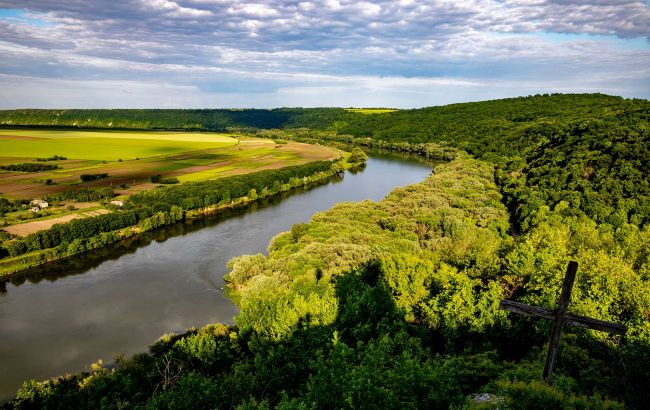 Photo: low water level in the Dniester forces Moldova to introduce restrictions (Getty Images)
Moldova is introducing measures for energy security and the protection of water resources due to the low water level in the Dniester — the export of electricity during peak hours will be banned, according to NewsMaker.
What will change in the energy sector
On August 3, the National Crisis Management Commission, chaired by Prime Minister Vasile Tofan, approved a decision to restrict commercial electricity exports during peak hours — from 18:00 to 22:00. At the same time, Energocom will seek alternative energy sources in Romania, Ukraine, and other available markets.
In public and commercial buildings, internal lighting will be reduced by at least 30%. From 18:00 to 06:00, fountains, shop windows, decorative, architectural, and advertising lighting will be turned off in populated areas.
Water supply and sewerage operators will adapt the operation of pumps to reduce energy consumption during peak hours, and local authorities will optimize street lighting without harming critical services.
Residential building managers are required to inform residents of the recommendation to avoid elevators during peak consumption hours — from 06:00 to 09:00 and from 18:00 to 23:00 — to avoid getting stuck in the event of a possible power outage.
The connection of solar and wind stations with batteries and energy storage systems will be considered on a priority basis, and Moldelectrica will strengthen cooperation with operators in Romania and Ukraine to activate emergency assistance if needed.
What will change regarding water use
The commission restricts the use of water for washing streets and sidewalks, filling swimming pools, and recreational water bodies. Water intake and irrigation of agricultural land from the Dniester are allowed only at night — from 21:00 to 06:00, with priority for horticultural crops. The Ministry of Environment will be able to temporarily restrict water intake in sections of the river with critically low levels.
Industrial enterprises not related to medicine or the food industry are required to reduce water consumption by at least 20%. Local authorities will activate backup artesian wells to supply the population with water, and water quality control at intake points will be strengthened.
The drought has also affected neighboring countries. Earlier, it was reported that due to the shallowing of the Danube in Hungary, the country's only nuclear power plant might be shut down — authorities warned that the low water level in the river threatens the plant's operation. Subsequently, Hungarian Prime Minister Péter Magyar declared a state of emergency and warned that the next five days could be critical for the country's energy system.
Even more radical measures are being taken in Romania, where the military is preparing to blast a rock in the Danube to keep the nuclear reactor operational due to the catastrophic shallowing of the river.