Meloni rejects Spain’s ultimatum over Schengen border checks

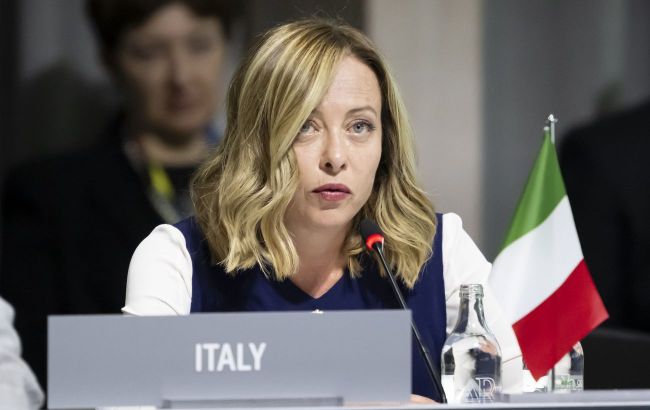 Italian Prime Minister Giorgia Meloni (Photo: Flickr)
Italy does not plan to lift temporary border checks for travelers from Spain, despite demands from Madrid and threats of retaliatory measures. The temporary restrictions were introduced following a new surge in migration tensions linked to the mass arrival of migrants in the Spanish enclave of Ceuta, according to Politico.
Italy's decision means additional checks for certain travelers, particularly those arriving from other Schengen Area countries. Rome has cited the need to assess potential security risks.
The Spanish government has criticized Italy's decision and stated that it may take proportionate measures if Rome does not end the checks and return to full compliance with the rules of free movement within the Schengen Zone.
Italy will maintain controls until at least August 15
The office of Italian Prime Minister Giorgia Meloni stated that the country will not lift the control measures in the near future.
"Italy does not accept ultimatums or demands from abroad regarding national security and border control," the government said.
Rome stated that the checks will remain in effect until at least August 15 — or longer, until security risks and terrorist threats have been fully eliminated.
Italian authorities also said they expect a new migration wave in the Ceuta area around that date.
"Only when it is certain that there will be no security or terrorism risks for Italy, that there will be no new wave and that there are no irregular migrants heading toward European territory will it be possible to reconsider what has already been decided," the government stated.
Migration once again challenges the Schengen Zone
The temporary reintroduction of internal border controls has become one of the most sensitive issues for the Schengen Area, which is founded on the principle of free movement among member states.
In recent years, several EU countries have repeatedly tightened controls at internal borders due to migration pressure, security threats, or emergencies.
In Italy's case, Meloni's government links the decision not only to migration flows but also to the need to assess potential security risks for the country, the publication writes.
Context of the statement
Spain's Ceuta has faced its worst migration crisis in recent years — with some 60,000 people breaching the enclave in a single day. To stabilize the situation, authorities deployed military personnel to the city and later announced plans to build a protective barrier along the maritime border.
Meanwhile, Portugal is tightening controls over its maritime border due to the migration crisis in Ceuta. France has also deployed military personnel and drones to its border in response to the migrant influx.