ISW: Oleshky ceasefire model cannot work in Kostiantynivka for now

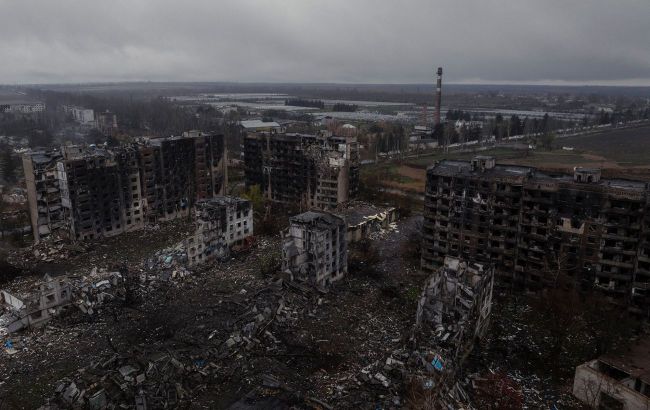 Photo: Aftermath of attacks in Kostiantynivka (Getty Images)
The ceasefire in Oleshky cannot serve as a model for a ceasefire near Kostiantynivka due to the different situations on the front line. Meanwhile, the Kremlin is trying to portray Ukraine as the side that is allegedly refusing a humanitarian ceasefire, reports the Institute for the Study of War (ISW).
Why the scenarios are different
Analysts emphasize that the military situation near Kostiantynivka differs from the situation in Oleshky. Russian forces do not fully control Kostiantynivka, and Ukrainian and Russian positions in the area are intermingled.
For this reason, the current configuration of the front line in Donbas does not allow the proposed ceasefire to be arranged.
"The Oleshky ceasefire cannot be a model for a possible ceasefire near Kostyantynivka because the frontline military situations are different," the ISW report states.
How the Kremlin is manipulating the situation
According to the Institute, the Kremlin is trying to falsely portray Ukraine as the side unwilling to agree to a humanitarian ceasefire.
At the same time, Moscow is ignoring Kyiv's proposal to extend a ceasefire modeled on the one in Oleshky to other settlements in the occupied parts of the Kherson and Zaporizhzhia regions.
Analysts emphasize that Ukraine's initiative, unlike Russia's proposal regarding Kostiantynivka, is feasible given the geography of the front line.
Following the humanitarian ceasefire in Oleshky, Russian dictator Vladimir Putin proposed a similar mission in Kostiantynivka.
The President's Office warned that Russia could use it to transfer military equipment and rotate troops, as it did in Oleshky. President Volodymyr Zelenskyy said that Russia's goal is to capture Kostiantynivka.