How to safely dry wet shoes: Material-specific guides for leather, suede, and sneakers

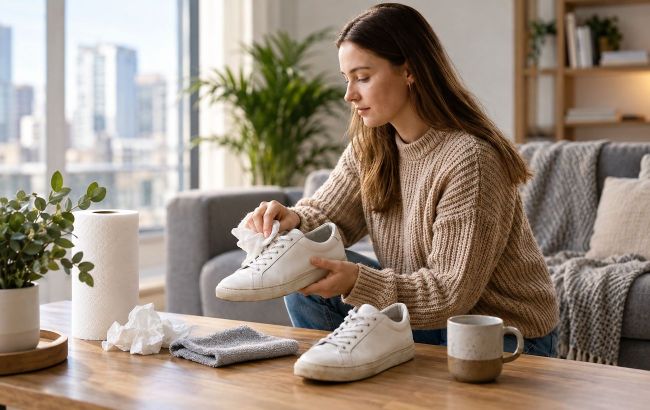 How to dry wet shoes (collage: Styler)
After heavy rain, shoes can get so soaked that they do not have time to dry completely, even overnight. Often, people place wet pairs near radiators to speed up the process, but strong heating can damage the materials.
Here's how to properly dry wet shoes, what helps speed up the process, and which mistakes to avoid.
What to do with wet shoes immediately
Upon returning home, do not simply leave the wet pair in the hallway. To allow air to circulate better inside, unlace the shoes or open them as much as possible, and remove removable insoles to dry them separately.
As Clarks advises, first remove excess water from the surface. You can gently blot it with a dry cloth or towel.
After that, leave the shoes in a dry and well-ventilated place. If the pair is very wet, proceed to the paper method.
How to dry shoes using paper
Ordinary paper can help draw out some of the moisture from the inner lining. This method is particularly convenient for areas near the toe, which are difficult to reach with a towel.
Nike recommends filling shoes with crumpled newspaper and periodically replacing it when it gets wet. If the lining is light-colored, use clean paper or paper towels instead of newspaper to prevent printer ink from leaving stains.
First, remove the insoles and loosen the laces. Then crumple the paper and fill the interior of the shoe. Do not pack the pair too tightly - the paper should absorb water without changing the shape of the shoe.
Check it during the drying process. As soon as the paper becomes wet, replace it with dry paper. If the shoes are soaked through, this may need to be done several times.
How to speed up drying
If you need to speed up the process, rely on air circulation rather than high temperature.
Nike suggests using a fan for drying. Before doing so, remove the insoles and open the shoes as much as possible to allow air to enter.
Place the pair in front of the fan and leave it for a few hours. This method helps moisture evaporate without exposure to high temperatures.
If you need the shoes by the next morning, start drying them immediately upon returning home. Remove the insoles, wipe off excess water, place paper inside, and replace it as it gets wet.
If the pair is soaked through, it may still not dry completely in one night.
Why you should not dry shoes on a radiator or with a hair dryer
According to REI experts, high temperatures not only accelerate leather wear but also weaken the adhesive bonds in shoes. Therefore, do not use radiators, heaters, or other sources of intense heat for drying. Instead, experts recommend leaving shoes at room temperature in a dry room and using a fan to speed up the process.
Therefore, even if you need the shoes urgently, it is better to use paper and air circulation rather than trying to dry them with extremely hot air.
How to dry leather and suede shoes
Choose a drying method based on the material.
Leather shoes should be left to dry gradually at room temperature. You can place paper inside, which will simultaneously absorb moisture and help maintain the shape. Clarks also recommends applying an appropriate care product after drying leather shoes to keep the material soft.
Suede requires even more careful handling. Do not try to rub it intensively while the surface is wet. First, let the pair dry naturally, and then clean the material with an appropriate product or brush.
Before any treatment, consider the manufacturer's recommendations for the specific pair, as different types of leather and suede may require different care.
How to dry sneakers and other athletic footwear
For athletic shoes, also start with the insoles and laces. Remove the insoles, loosen the laces, and open the shoes as much as possible.
If there is a lot of water inside, first blot it with a dry cloth or paper towel. After that, you can use paper or a fan.
Nike does not recommend putting athletic shoes in a tumble dryer: high temperatures can damage the glue holding individual elements together. Instead, it is better to let the pair dry naturally in a room with good air circulation.
How to tell if shoes are completely dry
Do not rely solely on the outer surface. It may be dry, while the lining, toe box, or area under the insole remains damp.
Before wearing them again, check the inside of the shoes with your hand. Check the insoles separately - if they are still damp, leave them to dry.
Do not put undried pairs in a closed closet or box. It is better to leave them in a ventilated place for a while longer.
If the shoes are very wet, it is safer to let them dry longer than to speed up the process with a radiator, hair dryer, or other source of high heat.