From failed inventions to mustard: 10 weirdest museums with bizarre collections

 Strange museums that make tourists walk around with mouths open (photo: Getty Images)
Strange museums exist because, in the opinion of many people, everyday objects, failed ideas, and niche interests deserve lasting attention. Many of them began as personal collections that outgrew basements and garages and have now become true gems for tourists.
Far & Wide reports on the 10 strangest museums in the world, where, instead of artistic masterpieces, visitors can find bananas, hair, and monuments to human mistakes.
Read also: Ghosts or real danger? 10 locations around the world closed to tourists forever
Museum of Failure (Sweden)
Product launches sometimes end in fiasco despite huge budgets. Even business historians study failed products to understand marketing mistakes.
The Swedish Museum of Failure features such flops as Google Glass and New Coca-Cola. Each object here is a cautionary story about why even large companies make mistakes.
International Banana Museum (USA)
This California museum houses more than 25,000 banana-related items. Furniture, clothing, advertisements, and kitchenware — the yellow fruit is represented in almost every square inch.
It originally started as a modest roadside attraction that gradually transformed into a large indoor exhibition.
Museum of Bad Art (USA)
Bad art becomes fascinating when the sincerity of the creator is visible. The museum in Massachusetts collects works made with great inspiration but noticeable technical flaws.
Curators reject children’s drawings, focusing instead on professional attempts that fell short of their goal. Visitors often spend more time here than in the Louvre, studying visual mistakes that hold attention.
Spam Museum (USA)
Culinary historians study canned Spam as a symbol of wartime food culture. The museum in Austin, Minnesota, explains how this product became essential during World War II due to its long shelf life. Interactive exhibits simulate factory conveyor lines and show Spam’s journey to kitchens around the world.
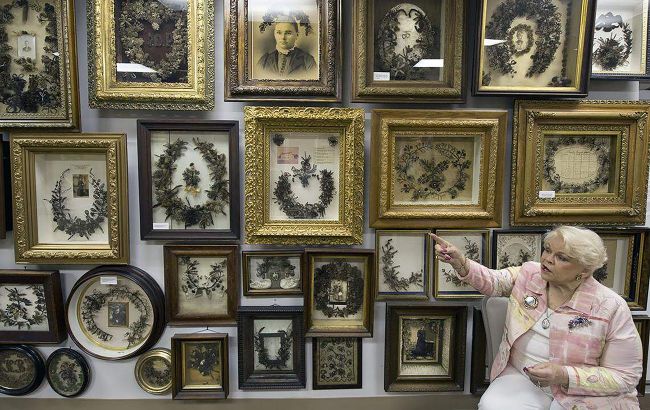
Leila’s Hair Museum (USA)
Before photography, hair served as a physical reminder of loved ones. The museum in Missouri displays more than 600 wreaths and 2,000 pieces of jewelry made entirely from human hair.
Most exhibits date back to the Victorian era, when mourning jewelry made from hair was a common way to preserve memories of the deceased.
Museum of Jurassic Technology (USA)
This is a place where real science intertwines with fiction without clear labels. Exhibits tell stories about memory research and little-known inventions.
Dim lighting and the quiet demeanor of the staff create an atmosphere where visitors begin to question the authenticity of everything they see.
Salt and Pepper Shaker Museum (USA)
Located in Gatlinburg, Tennessee, this museum holds more than 20,000 spice sets. What seems like a small household item actually reflects changing design trends and pop culture across decades. Visitors can find everything from elegant crystal sets to playful character figurines.
Mütter Museum (USA)
Medicine of the past can seem shocking today. The Philadelphia Museum preserves anatomical models and real biological specimens, such as the remains of conjoined twins and massive kidney stones. The museum operates under the College of Physicians and continues to serve as a base for medical education.
Devil’s Rope Museum (USA)
Barbed wire permanently changed the American West, allowing farmers to fence land cheaply. This ended open-range grazing and accelerated settlement. In Texas, the Devil’s Rope Museum documents this history through hundreds of patented wire designs.
National Mustard Museum (USA)
Condiments are one of the best reflections of regional tastes. In Wisconsin, more than 6,000 types of mustard from 70 countries are on display. Visitors can not only explore the exhibits but also taste exotic varieties at sampling stations, learning how climate influences flavor and spiciness.
Read also: These castles make Disneyland look boring: Discover ones in Ukraine