Flight to Spain diverted back to US over suspicious Bluetooth device name

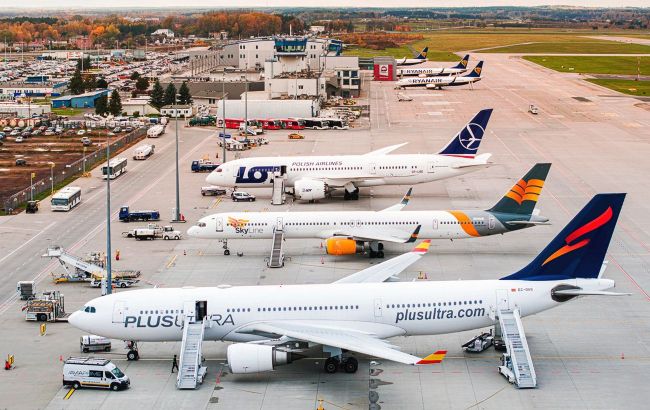 Photo: planes at the airport (Facebook/KatowiceAirport)
A United Airlines aircraft flying to Spain was forced to urgently turn back and return to its departure airport due to a potential security threat caused by a provocative Bluetooth device name belonging to one of the passengers, according to The Independent.
A Boeing 767, carrying 190 passengers and 12 crew members, departed from Newark to Palma de Mallorca. However, just three hours into the flight, the aircraft landed back at Newark Liberty International Airport.
This decision was made after consultations with the airline’s headquarters in Chicago. The crew became suspicious due to the list of available Bluetooth networks, where passengers and flight attendants saw a device name consisting of a “four-letter word.” Although the exact wording has not been disclosed, it raised suspicions of a terrorist threat and was most likely the word “bomb.”
Upon landing, security services were already waiting for the aircraft. Officers from the Port Authority Police ordered all passengers to immediately leave the cabin. Law enforcement began a large-scale inspection, searching every seat and cargo compartment.
Passengers recalled that the crew repeatedly asked everyone to turn off their Bluetooth devices. However, two devices remained active, which prompted customs and border protection officers, as well as special forces, to carry out a second inspection of all people on board.
After several hours of delay, passengers were sent to Spain on another aircraft. The replacement flight departed with a new crew. It is currently unknown whether any official charges were filed against the owner of the device that caused the disruption.
What else you should know about air travel
Previously, we reported which mistakes passengers make at airports that force them to undergo thorough security checks, and which item in luggage can cause airport security to open your bag.
It is also important to know which items carried into the aircraft cabin raise suspicion among security staff. For example, the most common mistake is assuming that certain cosmetic products are not subject to liquid restrictions.