Exhausted every morning? These 7 bedtime habits change everything

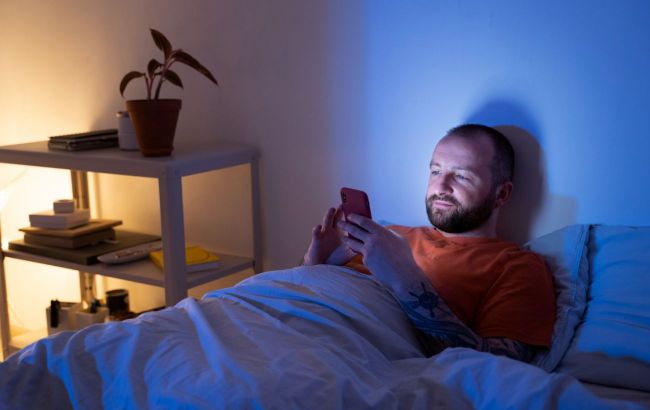 What to do before bed to feel energized the next day (photo: Freepik)
To feel refreshed and energized in the morning, it’s essential to build a healthy evening routine. Certain habits in the hours before bed can either help your body recharge — or leave you feeling drained the next day, according to Real Simple.
Cut back on caffeine
According to the Sleep Foundation, caffeine can interfere with deep sleep, which plays a key role in how rested you feel the next day.
Caffeine stays in the body longer than many people realize. Its half-life ranges from about 2 to 12 hours, meaning it can continue affecting your sleep well into the night. Because of this, experts recommend avoiding caffeine at least eight hours before bedtime.
Keep dinner light
Eating a heavy meal late in the evening can disrupt sleep and lead to morning fatigue. Lighter dinners earlier in the evening tend to support better rest.
That said, going to bed hungry isn’t ideal either. If you need something before sleep, choose a small snack that includes protein and fiber — for example, an apple with peanut butter, cheese with a few crackers, or an orange with a handful of almonds.
Limit alcohol before bed
While alcohol may make you feel sleepy at first, research cited by StatPearls shows it disrupts normal sleep cycles. As a result, you may wake up feeling tired, unfocused, or mentally foggy.
Alcohol can also contribute to mild dehydration, which further affects energy levels. If your goal is to wake up feeling sharp and refreshed, it’s best to avoid alcohol in the evening.
Dim the lights two hours before sleep
Experts advise lowering light exposure and reducing screen time at least two hours before bedtime. Bright light — especially from screens — suppresses melatonin, the hormone that helps regulate sleep.
Dimming the lights helps signal to your body that it’s time to wind down and supports a healthy circadian rhythm.
Create a 10-minute wind-down ritual
A short, calming routine before bed can significantly reduce stress levels. Even 10 minutes of relaxation helps lower cortisol and quiet the nervous system.
Simple habits like gentle stretching, deep breathing, meditation, dim lighting, or a warm shower can help your body transition into sleep mode.
Stick to a consistent bedtime
Going to bed at the same time each night helps regulate your internal clock. Irregular sleep schedules make it harder to fall asleep and stay asleep, even if you spend enough time in bed.
Consistency supports the recommended seven to nine hours of sleep and improves daytime energy.
Get daylight in the morning
After waking up, try to get some natural light as soon as possible. Morning sunlight helps reset your circadian rhythm by suppressing melatonin and signaling to your body that the day has begun.
This simple habit can make it easier to fall asleep at night and wake up feeling more alert.
Earlier, we wrote about how to tell if you’re not getting enough sleep.
This material is for informational purposes only and should not be used for medical diagnosis or self-treatment. Our goal is to provide readers with accurate information about symptoms, causes, and methods of detecting diseases. RBС-Ukraine is not responsible for any diagnoses that readers may make based on materials from the resource. We do not recommend self-treatment and advise consulting a doctor in case of any health concerns.