Europe moves to tighten visa rules for Russians amid fears of hybrid attacks

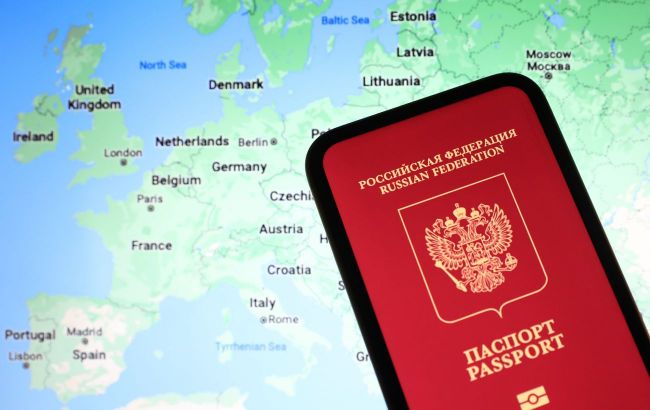 Photo: Russian passport against a map of Europe (Getty Images)
The European Commission is preparing proposals to tighten visa rules for Russian citizens. Brussels believes stricter screening would help protect EU countries from potential hybrid attacks, including acts of sabotage, according to Politico.
According to the media outlet, the European Commission plans to present the proposals early next year. The move follows calls from several European countries, including Poland, Sweden and Estonia, to tighten entry rules for Russian citizens.
Particular attention is expected to be paid to former Russian military personnel who took part in the war against Ukraine.
Last year, Russian citizens received around 478,000 Schengen tourist visas. A significant proportion were multiple-entry visas, allowing holders to enter and leave the Schengen Area repeatedly.
Swedish Justice Minister Gunnar Strömmer believes the current system has vulnerabilities that Europe's adversaries could exploit. He said tighter controls were becoming particularly important amid concerns about sabotage, arson and other hybrid operations linked to Moscow.
Strömmer said that, according to his information, the European Commission plans to publish its proposals in January. Sweden, however, would like to see them introduced sooner.
The minister also welcomed progress in the discussions and growing support among European countries for a stricter visa regime.
Estonia proposes barring former Russian military personnel
Some EU countries intend to raise the issue of visa restrictions at a meeting of the EU Foreign Affairs Council. They also plan to discuss the possibility of introducing additional restrictions on Russian diplomats.
Estonia is pushing for a ban on former Russian military personnel entering the European Union. The country's Foreign Minister, Margus Tsahkna, said the measure could apply to approximately 650,000 former combatants.
According to Tsahkna, restrictions could be imposed on specific individuals. However, he said the EU needs a coordinated bloc-wide approach to ensure more effective protection.
Tsahkna suggested that some former Russian military personnel could travel to Europe with the support of Russian intelligence services and pose a security threat. He also expressed concern that they could become involved in organized crime and terrorist attacks.
As a reminder, European countries are increasingly warning about the threat of Russian sabotage, cyberattacks, and provocations. NATO says Moscow is testing the security of its allies and could continue its campaign of hostile activities.
In September, Lithuania reported intelligence indicating that Russia may be preparing false-flag operations in Europe.
France has also warned of a real threat of hybrid attacks. French authorities cited cyberattacks, sabotage and drone sightings near European airports among the risks.