Europe faces winter gas crisis as storage levels hit 13-year low

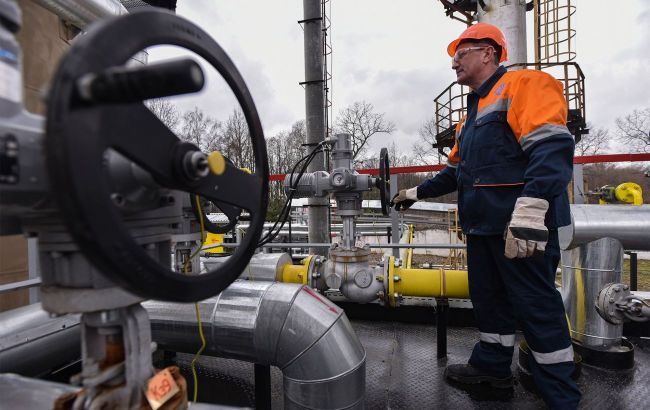 Photo: Gas station (Getty Images)
Ahead of the heating season, European countries have stockpiled the lowest levels of fuel in their gas storage facilities in the past 13 years. The low inventory levels have already sparked concern in the energy market and could affect prices this winter, according to The Guardian.
As of the last week of August, EU gas storage facilities were only 63% full. By comparison, in previous years, the average fill level at the end of August was around 80%.
According to gas market analyst and professor Greg Molnar, at the current rate of gas injection, the European Union is likely to enter the heating season with reserves about one-fifth below the average for the past five years. This would be the lowest level of reserves since 2013.
The expert notes that low gas levels in storage facilities naturally increase the risk of significant price volatility during the winter. The situation could become even more complicated in the event of a cold snap or prolonged periods of light winds, when gas consumption rises.
Why Europe was unable to stockpile more gas
Several factors contributed to the situation. In particular, the cold end to last winter led to more active use of gas from storage facilities, which meant they had to be replenished from a lower level in the spring.
In addition, during the summer heatwave in Europe, demand for electricity rose, and gas-fired power plants generated more electricity than usual.
Another contributing factor was the war in the Middle East, which disrupted energy supplies from the Persian Gulf region and affected gas purchase volumes.
According to analysts' estimates, the market situation has already triggered a so-called winter panic among traders.
UK may be the most vulnerable
Low gas reserves in the EU could affect prices not only within the bloc. The United Kingdom may prove to be particularly vulnerable to market fluctuations.
The country is one of Europe's largest gas consumers, yet it has some of the lowest domestic storage capacity.
The UK typically relies on gas imports via pipelines from Europe, as well as on shipments by tanker from the US and the Middle East.
Centrica CEO Chris O'Shea says that the UK has almost no gas in storage ahead of winter.
At the same time, The Guardian notes that Europe does not currently expect a physical gas shortage this winter. However, traders are forecasting further price increases.
Over the past few weeks, the benchmark gas price in Europe has risen to a three-year high, over 68 euros per megawatt-hour, more than double the level at the start of the year.
According to estimates by Goldman Sachs analysts, without a resumption of gas exports from the Middle East, the European spot price could exceed 100 euros per megawatt-hour to secure sufficient volumes of liquefied natural gas to meet winter demand.
The situation with gas reserves is particularly dire in Western Europe. At the same time, Italy and Poland have managed to fill their gas storage facilities to more than 80% capacity.
In Germany, which has Europe's largest gas storage capacity, storage facilities are currently about half full.
Ukraine has stockpiled enough natural gas to meet the baseline scenario for the winter, according to a recent statement by Deputy Prime Minister and Minister of Energy of Ukraine Denys Shmyhal.