EU’s 21st Russia sanctions package under threat from six member states

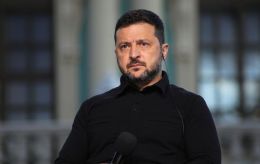
 +The EU has been unable to adopt the 21st sanctions package against Russia for a long time (Photo: Getty Images)
Six EU states are demanding exemptions in the 21st sanctions package against Russia, fearing negative consequences for their own businesses, reports FT.
Which countries are threatening to derail the sanctions
According to the article, these are Greece, France, Italy, Germany, Austria, and Portugal. These countries are demanding the relaxation of certain provisions in the sanctions or are completely opposed to some restrictions. The reason is to protect national companies and key sectors of the economy.
As the FT notes, citing European diplomats, such a position could threaten the adoption of the 21st sanctions package, as its approval requires unanimous support from all EU countries.
Diplomats warn that an increasing number of states are unwilling to bear economic costs in order to increase pressure on Moscow.
Greece has taken the toughest stance on the sanctions. Athens opposes the ban on transporting Russian liquefied natural gas to third countries, as it believes such measures would cause serious damage to Greek shipping companies specializing in LNG transportation.
Market could suffer
In addition, the country's authorities fear that the restrictions would allow competitors from the US, China, and Japan to take over the freed-up market share.
In turn, Germany and Portugal are opposing the ban on importing Russian fish, seeking to protect the interests of their domestic processing industries. France, Italy, and Austria are also seeking to ease certain restrictions or secure exemptions for their national businesses.
Disagreements over pressure on Russia are intensifying in the EU
According to FT's interlocutors, the situation indicates that disagreements within the European Union over further sanctions pressure on Russia are growing.
If, previously, countries were willing to bear economic losses to support Ukraine, many governments are now prioritizing the interests of their own companies.
Due to the lack of consensus, negotiations on the 21st sanctions package are ongoing. Earlier, EU foreign policy chief Kaja Kallas stated that EU countries have so far been unable to reach an agreement on the new package of restrictions, although work on it continues.
On July 15, the countries of the EU were once again unable to reach an agreement on adopting the 21st package of sanctions against Russia.
As reported by the media, the reason was Greece, which blocked the sanctions package. The reason is that it would harm the shipping company Dynagas, which specializes in transporting Russian liquefied natural gas (LNG).