EU prepares visa ban on former Russian soldiers in new sanctions package

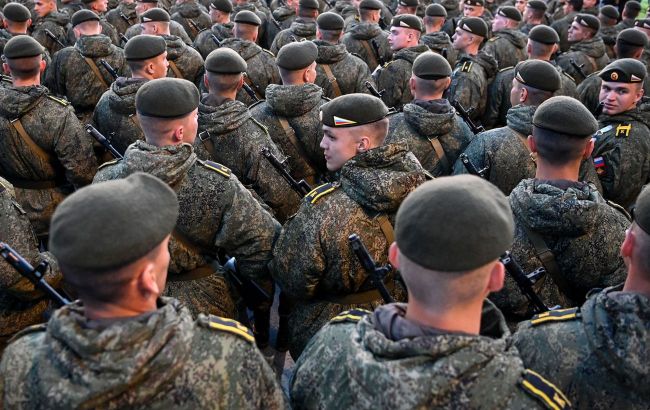 Photo: Russian military (Getty Images)
The European Union is preparing new restrictions against Russia over its war against Ukraine. One of the main proposals could be a ban on former Russian military personnel entering EU countries, reports Bloomberg.
According to sources familiar with the closed-door negotiations, the European Commission plans to include visa restrictions on former Russian combatants in a new sanctions package.
Bloomberg's sources say the proposal could become a central element of the upcoming restrictions.
Who else could be affected by the EU's new sanctions
In addition to an entry ban on former Russian military personnel, the European Commission plans to propose a number of economic restrictions.
Several Russian banks and cryptocurrency service providers could be sanctioned. Brussels is also considering imposing restrictions on around 65 vessels belonging to Russia's shadow fleet, which Moscow uses to transport oil.
Another part of the proposals concerns exports. The European Commission wants to expand the list of goods that certain companies and entities linked to the military sector will be prohibited from receiving. These include products that can be used in weapons manufacturing.
Brussels also plans to ban transactions involving several ports and oil refineries.
When does the EU plan to adopt the sanctions package?
The European Union expects to agree on the new restrictions next month. This will be the 22nd package of sanctions against Russia since the start of its full-scale invasion of Ukraine.
However, the proposed list of measures could still change. The sanctions require unanimous support from all EU member states to be adopted. Therefore, according to Bloomberg's sources, the European Commission may drop proposals that have previously faced objections from individual countries.
To avoid delaying approval of the package, Brussels is likely to leave out a ban on maritime transport.
EU wants to establish a separate sanctions office
Alongside preparations for the new package, the European Union plans to establish a special office to coordinate its sanctions efforts. Currently, the relevant responsibilities are divided among the bloc's financial, trade and tax authorities.
According to Bloomberg's sources, the new body could begin operating early next year. It will be responsible for the entire process, from preparing sanctions proposals to monitoring the implementation of restrictions that have already been adopted.
The EU also plans to propose a new category of sanctions targeting social media technologies and services. It could be included in the next package of restrictions against Russia.
Earlier, the European Union continued to step up sanctions pressure on Russia. On November 11, EU ambassadors agreed on new restrictions against 145 individuals and legal entities.
The lists included representatives of Russian banks and energy companies, service providers for the shadow fleet, as well as individuals and organizations involved in cyberattacks and the spread of disinformation.
The following day, it became known that Brussels was preparing even broader restrictions. The European Union plans to impose more than 100 new sanctions targeting banks, energy companies, and tankers transporting Russian oil.