COP31 climate summit collapses without agreement on action plan

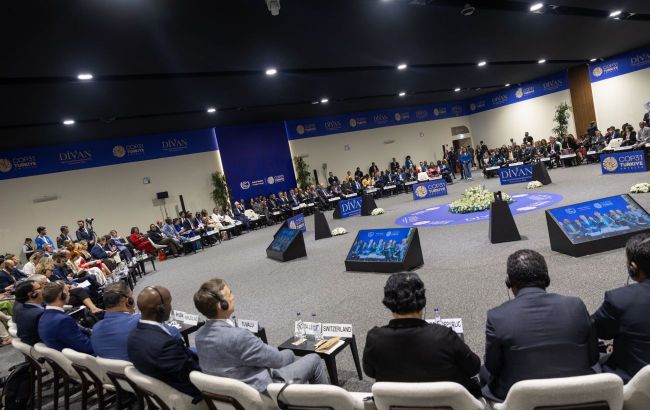 Photo: Participants at the COP31 climate summit during negotiations in Antalya (cop31.tr)
UN climate change negotiations at the COP31 summit ended without a joint decision. The countries were unable to agree on a document. The EU opposed the final draft, according to Reuters.
The negotiations lasted over two weeks. They had been scheduled to conclude on Friday, but due to disagreements among the countries, the meetings continued into the weekend.
At the closing plenary session, COP31 President Murat Kurum of Türkiye announced that the participants had been unable to reach a consensus on the final text.
"There is nothing to do, we did all that we could. Since there are 196 countries, they will make the decision and we will respect their decision. There will be no new text from now on," he said.
Why negotiations reached impasse
The breakdown in negotiations occurred against the backdrop of the increasingly tangible consequences of global warming. These include extreme heat in Europe and floods in Nepal caused by melting glaciers.
However, these issues were overshadowed by other challenges. Negotiators had to take into account the consequences of wars, as well as public discontent over the rapid rise in the cost of living.
Australia, which led the negotiations, and Türkiye, as the summit's host country, released several draft versions of the agreement. They sought to strike a balance between the interests of countries most vulnerable to climate change and those whose economies depend on the production or consumption of fossil fuels.
One of the drafts acknowledged for the first time that global warming is likely to exceed the 1.5-degree Celsius threshold. It was precisely this limit that countries had sought to maintain under previous climate agreements.
In addition, the document called for accelerating the development of technologies to remove carbon from the atmosphere. In the long term, these technologies are intended to help bring global warming back within the established threshold once it has been exceeded.
However, the proposed text did not satisfy all participants. Critics considered it insufficiently ambitious, which is why a consensus could not be reached.
When climate negotiations last ended in failure
The Conference of the Parties (COP) is the primary mechanism through which countries coordinate efforts to curb global warming. The annual summits provide an opportunity to agree on joint actions, demonstrate a willingness to cooperate internationally, and discuss funding for measures necessitated by rising temperatures.
The last major failure of UN climate negotiations occurred in 2009 in Copenhagen. At that time, countries also failed to reach a joint agreement by consensus. This dealt a serious blow to multilateral climate diplomacy.
The world continues to break temperature records. According to the UN World Meteorological Organization, the global average temperature from January through September 2026 was 1.47°C higher than pre-industrial levels.
October was the warmest on record, with temperatures exceeding the pre-industrial average by 1.75°C. Climate scientists warn that global warming is intensifying extreme weather events, while the oceans continue to warm and set new records.