Avoid danger: 5 foods you must throw away if expired

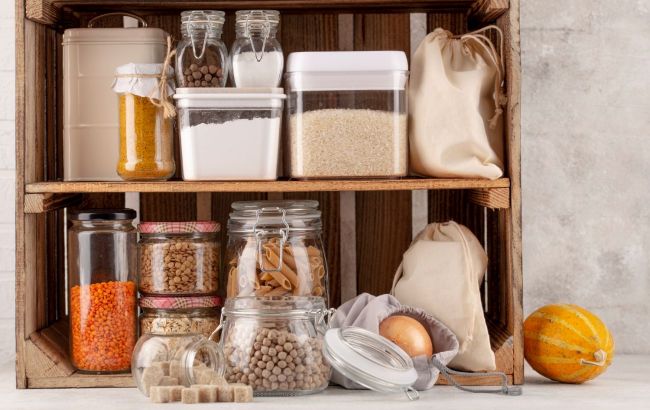 Pantry items to throw away after expiration (photo: Freepik)
Some pantry items can pose a hidden health risk after their expiration date, even if they look perfectly fine. It’s best to throw them away immediately to prevent the growth of harmful bacteria and foodborne illnesses, according to Health.
Cooking Oils
According to the British Journal of Nutrition, most cooking oils, such as vegetable, canola, and olive oils, remain fresh for about 6 to 12 months from the purchase date and 3 to 5 months after opening, if stored properly.
Some oils, like coconut oil, can stay fresh for up to three years.
Over time, exposure to light, heat, and air can break down the fats in cooking oils, causing them to go rancid. Rancid oils have a sharp, unpleasant smell and taste, and they lose some of their beneficial fats and antioxidants.
Expired or rancid oils also generate harmful free radicals, which can damage cells, trigger inflammation, and increase the risk of chronic diseases.
Nut Butters
Nut butters, including peanut, almond, and cashew, can last in the pantry for 6 to 9 months unopened. Once opened, they remain fresh for about two to three months.
These butters contain oils that can spoil when exposed to oxygen, changing their taste and texture. While they may not always cause illness, spoiled nut butters can contribute to inflammation, damage cells, and increase the risk of heart disease over time.
If the expiration date has passed, nut butters may harbor harmful bacteria, such as Salmonella, and cause food poisoning. Discard any nut butter that shows mold or an off smell.
Flour
The shelf life of flour depends on its processing and storage. In a sealed container kept in a cool, dry place, white flour can last up to one year.
Whole-grain flour lasts only up to six months because it contains the grain germ, which is rich in beneficial fats that spoil more quickly.
Over time, exposure to oxygen can cause these fats to go rancid, giving the flour a sour smell and bitter taste.
Moisture can also promote the growth of certain molds that produce mycotoxins, which can lead to serious illness.
Spices and Dried Herbs
Most whole spices remain fresh for about three to four years. Ground spices can be used for two to three years, while dried herbs usually lose potency within one to three years.
Some spices and herbs contain antioxidants and other beneficial compounds that degrade over time, meaning expired products may lose flavor and health benefits.
Once opened, ground spices and herbs can absorb moisture from the air, creating an environment favorable for mold and bacterial growth.
Beans and Lentils
Dried beans and lentils can be stored in the pantry for up to one year in their packaging or until the expiration date.
They may remain edible beyond that, but their nutritional value gradually decreases. After 2–3 years, vitamin levels start to decline.
This material is for informational purposes only and should not be used for medical diagnosis or self-treatment. Our goal is to provide readers with accurate information about symptoms, causes, and methods of detecting diseases. RBС-Ukraine is not responsible for any diagnoses that readers may make based on materials from the resource. We do not recommend self-treatment and advise consulting a doctor in case of any health concerns.