Apples rotting on tree? How to spot brown rot and save your harvest

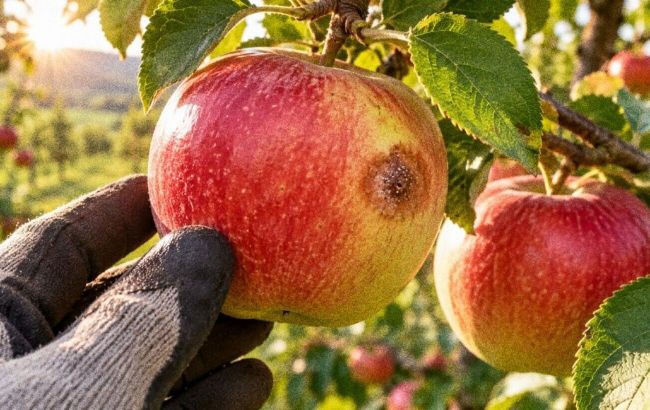 Apples rotting on the tree (photo: magnific.com)
Rotten apples on the tree are one of the most common problems gardeners face in late summer and fall. The problem spreads especially quickly if the fruit is damaged, stays wet for a long time, or there are already infected apples on the tree.
RBC-Ukraine explains why apples can rot right on the branches and what you can do to prevent the problem from happening again next year.
The fruit is affected by brown rot
One of the most common causes is brown rot, or brown rot disease. This fungal disease causes a brown spot to appear, which gradually grows and spreads across the entire fruit.
Light brown spore-producing cushions may appear on the surface of the apple. Eventually, the fruit shrivels, dries out, and often remains hanging on the tree as a so-called mummy.
The fungus can enter especially easily through damaged skin. Therefore, apples damaged by birds, insects or hail are at greater risk.
What to do: Regularly inspect the tree and remove all rotten fruit immediately. Do not leave them on the branches until spring – they can become a source of infection during the next season.
Apples have been damaged by insects or birds
Even a tiny hole in the skin can become an entry point for a fungal infection. Damage can be caused by codling moth caterpillars, as well as birds.
Fungal spores can enter through the wound, after which the fruit begins to deteriorate. That is why you may sometimes see several rotten apples on a tree while the others look completely healthy.
What to do: Damaged fruit should be removed as early as possible. It is also important to monitor pests and prevent them from causing widespread damage to the crop.
The apples have scab
Another problem is apple scab. Dark or olive-colored spots first appear on the fruit. As the apple grows, the affected areas may crack.
These cracks give brown rot easy access to the flesh, so scab and rot often occur at the same time. The disease spreads especially actively in wet weather.
What to do: In the fall, remove fallen leaves and fruit from beneath the tree and do not leave infected apples on the branches. This will reduce the number of sources of infection in the garden.
The tree is too crowded
If an apple tree has a very dense canopy, air circulates less effectively inside it. After rain or prolonged wet weather, the fruit and leaves remain wet for longer, creating favorable conditions for fungal diseases to develop.
Therefore, the problem may not only be the disease itself but also how well the tree is ventilated.
What to do: Prune the tree regularly, removing dead, diseased and excess branches. At the same time, avoid excessive pruning all at once – it is better to shape the canopy gradually.
Rotten fruit remains on the tree
It is worth noting that experts from the Royal Horticultural Society advise against leaving rotten apples on the tree even after the season has ended.
Do not forget about so-called mummies – shriveled and dried fruit that remains hanging from the branches. The fungus can survive the winter inside them and become a source of infection again in spring.
The RHS also explains that brown rot often begins with damage to the skin – for example, after bird bites, codling moth activity or scab damage. In addition, the infection can easily spread from one apple to another when the fruit touches.
RHS experts also recommend shaping the canopy so that more light can reach the interior and air can circulate freely. A dense canopy creates more favorable conditions for disease, so when pruning, remove branches that grow toward the center of the tree or cross each other.
How to protect apple trees next year
To prevent the problem from returning, carry out some simple sanitary work in the garden in the fall:
- collect all rotten and mummified apples from the tree;
- remove fallen fruit from beneath the apple tree;
- remove diseased and dead branches;
- do not leave damaged fruit on the tree;
- make sure the canopy does not become overly dense;
- regularly inspect apples for spots, cracks and signs of insects.
The main thing is not to wait until the rot spreads to most of the crop. One infected apple can become a source of problems for nearby fruit, especially when they are touching each other.