Ancient human DNA discovered in soil, unraveling 22,000-year-old mystery

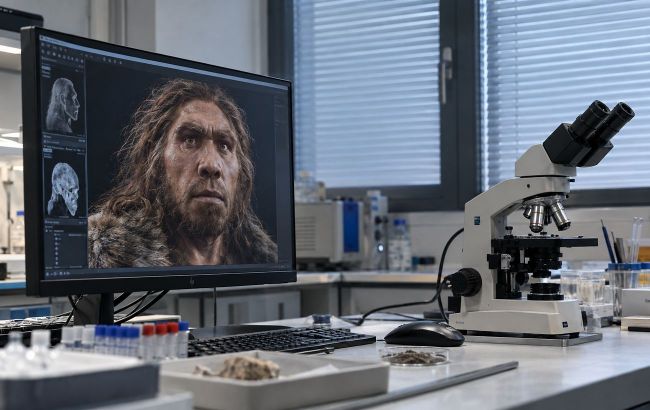 Ancient DNA extracted from soil without human remains (image: RBC-Ukraine)
Researchers from the University of Vienna were able to extract and decode the DNA of ancient humans from a tiny soil sample from the El Mirón cave in Spain. The sediment sample, dating back approximately 22,000 years, contained no bones or teeth, according to a study published in the journal Science Advances.
Complex analysis of cave dust: first results
It is noted that the soil sample from the cave weighed no more than a few grains of rice, so scientists had to sequence the sample 100 consecutive times.
During the process, researchers filtered out over a billion DNA fragments to find minimal traces of human genetic material and exclude modern contamination.
The residual genetic information was deposited in the sediment thousands of years ago from skin flakes, hair, or drops of blood of people who sought shelter in the cave during the coldest period of the last glaciation in Europe.
The analysis showed that a group of people of Western origin with dark skin, dark hair, and brown eyes lived in the cave. Moreover, men predominated among them.
Read more: 150 genes and AI assistance: when scientists will actually revive the mammoth
New sedaDNA technology: how is it changing the perception of archaeology?
The sedimentary ancient DNA (sedaDNA) extraction method allows researchers to study the genetics of ancient populations even in the absence of fossils and bone remains.
Previously, scientists extracted only mitochondrial DNA from the soil, which is passed down exclusively through the maternal line, but this time they managed to obtain nuclear DNA, which contains complete genealogical information from both parents.
The application of this methodology opens up new opportunities for scientists, namely:
- Studying the migration routes and movements of ancient hunter-gatherers;
- Analyzing the interaction of different populations and the processes of animal domestication;
- Tracking the spread of ancient diseases and changes in diet.
Migration processes and population continuity in Europe
To determine migration routes, the authors of the study compared the obtained data with the DNA of a 31,000-year-old ancient woman from France and a 25,000-year-old tooth from northern Spain.
Previous samples had a component of Eastern origin, indicating the mixing of populations at opposite ends of Europe before the peak of the glaciation.
However, the 22,000-year-old DNA from the El Mirón cave shows exclusively Western roots.
This indicates that the population in southwestern Europe between 30,000 and 20,000 years ago remained relatively stable and did not undergo complete replacement by other peoples.