You may be eating germs: 5 surprising foods you should always wash

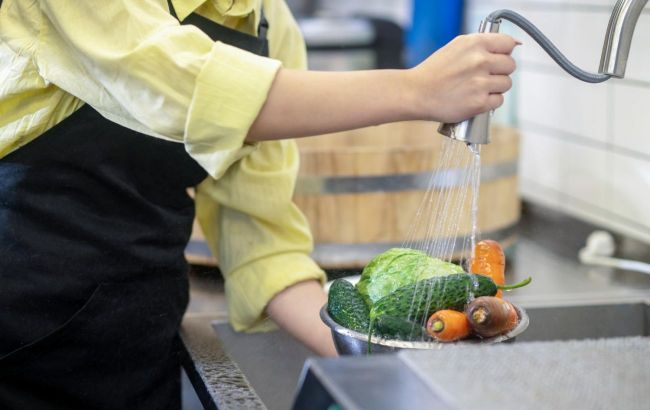 Foods you should always wash before using them (Photo: Magnific)
Most people are used to thoroughly washing basic fruits and vegetables, but many other foods can also carry dirt, bacteria, or traces of chemicals. Making this simple habit part of your routine can help reduce the risk of food contamination, according to Real Simple.
Why washing food before use matters
Washing fresh fruits and vegetables before eating or cooking helps remove bacteria that may have accumulated during growing, transport, or handling.
Fresh produce naturally carries small amounts of dirt, debris, and even tiny insect particles because it is grown outdoors rather than in a sterile environment.
Rinsing fruits and vegetables removes both visible and microscopic residues, reducing the chance that you accidentally consume them.
Washing can also help extend the shelf life of produce. Rinsing and thoroughly drying fresh fruits and vegetables removes microorganisms that speed up spoilage.
Be sure to dry produce after washing, especially if you plan to refrigerate it. Storing wet produce can cause it to soften and spoil more quickly.
Keeping it in an airtight container lined with a paper towel can also help maximize freshness.
Surprising foods you should wash
Mango
Mango skin is thick and inedible, but it should still be washed before cutting. While the peel acts as a barrier, rinsing it helps prevent bacteria from being transferred to the flesh when slicing.
Washing also removes surface dirt that could otherwise end up on the edible part of the fruit.
Carrots
Carrots can carry soil, bacteria, and other contaminants on their surface. If you peel an unwashed carrot, the peeler or knife can transfer those contaminants from the skin to the freshly peeled flesh.
The same rule applies to other root vegetables such as potatoes, beets, parsnips, and celeriac. It's a simple habit that helps keep the edible portion cleaner.
Kiwi
When you cut a kiwi, the knife can carry dirt and microorganisms from the skin into the flesh. Simply rinse the fruit under running water. If there is visible dirt, gently rub the skin with your hands or a soft brush.
You can pat it dry with a clean towel or paper towel if desired.
If you eat kiwi with the skin on, washing it is especially important. There's no need for special produce washes; running water is enough.
Avocado
Avocados should also be washed before cutting, even though the peel is not usually eaten. As the knife passes through the skin, it can transfer bacteria, dirt, or dust from the surface into the edible flesh.
For this reason, rinse the avocado under running water before slicing. If the peel looks dirty, gently scrub it with your hands or a vegetable brush.
Plain running water is all you need; there's no need to use soap or produce cleaners.
Nuts in shells
Shell-on nuts should also be washed before cracking them open. During storage, transportation, and sale, shells can accumulate dust, dirt, mold spores, and microorganisms.
When you crack the shell, those contaminants can be transferred to the edible nut through your hands, knife, or the shell itself.
This material is for informational purposes only and should not be used for medical diagnosis or self-treatment. Our goal is to provide readers with accurate information about symptoms, causes, and methods of detecting diseases. RBС-Ukraine is not responsible for any diagnoses that readers may make based on materials from the resource. We do not recommend self-treatment and advise consulting a doctor in case of any health concerns.