6 common ironing mistakes that damage your clothes

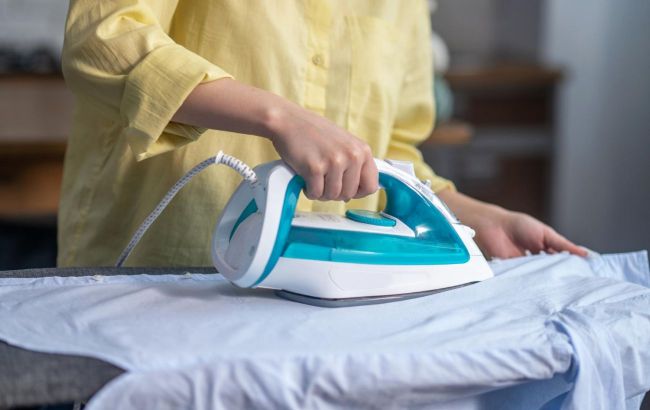 Main mistakes when ironing clothes (photo: Freepik).
Ironing may seem simple, but even small mistakes can ruin your favorite clothes — from yellow stains and shiny marks on fabric to fiber deformation. Here are the most common ironing mistakes and how to avoid them, according to Better Homes & Gardens.
Ironing dirty clothes
One of the biggest mistakes is running a hot iron over clothing that has stains or dirt on it. This can permanently set the stains into the fabric.
To avoid this, always check your clothes beforehand, remove any visible stains, or wash them thoroughly before ironing.
Using a dirty iron
Over time, residue and rust can build up on the iron’s soleplate. If it’s not cleaned regularly, this can lead to brown stains, scorch marks, or debris transferring onto your clothes.
That’s why it’s best to clean the surface of your iron regularly with a mixture of baking soda and vinegar. To do this safely, unplug the iron and wait until it has completely cooled down.
Then gently rub the soleplate with a soft cloth using a baking soda and vinegar paste. Alternatively, you can use a few drops of mild dish soap mixed with warm water, especially if the stains are minor. Avoid abrasive materials or ingredients that could scratch the surface.
Ironing on soft or uneven surfaces
If you’ve ever ironed clothes on a bed or a couch cushion in a hurry, that’s a mistake. As convenient as it may seem at the moment, this habit can damage your clothing.
Ironing on soft or uneven surfaces won’t properly smooth out wrinkles and can even stretch the fabric.
It’s better to use a sturdy ironing board.
Not ironing inside out
It’s important to protect delicate fabrics and intricate designs from direct heat, but many people skip this step in a rush to remove wrinkles. Heating these delicate details can cause damage rather than create a smooth finish.
Ironing clothes inside out helps preserve the fabric and protects it from damage, especially if the garment has prints or embroidery. You can either turn the item inside out before ironing or use a pressing cloth between the iron’s soleplate and the garment for extra protection.
Using the wrong temperature
Turning the iron to the highest setting may seem like a time-saver, but it’s risky for most materials.
In fact, ironing delicate fabrics such as silk or linen at high heat can damage them. Always check the care label on the garment and make sure the iron’s temperature setting matches the recommended level.
Folding clothes right after ironing
Folding clothes while they are still hot after ironing can undo your hard work, almost instantly creating new wrinkles.
Let the garment cool down on a flat surface before wearing or folding it to make sure the fabric stays smooth and crease-free.
Set aside a clean, flat area where freshly ironed clothes can “rest” until they have completely cooled before placing them in a drawer.