5 things every gardener should do now to help their roses survive winter

 How to care for roses in September (photo: Magnific)
In September, roses require special care, as this is the time when gardeners should prepare them for the cold season. There are several important tasks that can help the bushes survive the winter better.
RBC-Ukraine explains what work should be done on roses now, what is best avoided, and how to protect the bushes before the cold weather arrives.
Remove fallen leaves
In September, regularly remove fallen leaves around roses. Pay particular attention to any spots or other signs of disease.
Do not leave plant debris around the bushes, as it can rot and create conditions that help diseases spread. Diseased leaves should not be added to compost but disposed of separately.
Gradually reduce watering
As the weather gets cooler, roses no longer need the same watering schedule as they did in summer. If September is rainy, additional watering may not be necessary at all.
In dry weather, the plants should still be watered, but gradually reduce the frequency. It is important to avoid excessive moisture around the bushes.
Pruning roses: When and what to remove
Autumn pruning of roses should not be overlooked, but it is best done gradually. When night frosts begin, you can remove any remaining buds, as well as weak, damaged, overly long shoots and branches growing toward the center of the bush.
There is no need to prune the plant all in one day. Throughout autumn, roughly from September to November, gradually remove unnecessary shoots and leaves, taking the weather and the plant’s condition into account.
Before persistent frosts set in, it is advisable to leave 3–5 of the strongest shoots with well-matured bark and 3–4 with developed buds. It is important not to over-prune, as removing too many shoots in autumn can weaken the bush before winter.
Final treatment against diseases
After autumn pruning, carefully inspect the roses and, if necessary, carry out preventive treatment against fungal diseases. This is especially important if spots, a coating, or other signs of infection have already appeared on the leaves or shoots during the season.
Copper-based products are used for treatment, including copper sulfate (5% solution) or Bordeaux mixture (3% solution). At the same time, do not increase the concentration for extra protection — the product should be prepared and applied according to the manufacturer’s instructions.
Spray not only the shoots but also carefully treat the plant and the soil around it if this is specified in the instructions for the particular product.
When to prepare roses for winter
There is no need to rush to fully cover roses at the beginning of September. Until the weather becomes consistently colder, the bushes should be allowed to gradually finish their active growing season.
Hilling and final winter preparations are best done closer to the onset of cold weather. Dry peat or another suitable material can be used to protect the root system. It is important that the covering does not create excessive moisture around the base of the bush.
 What to do with roses before winter (photo: Magnific)
What the Royal Horticultural Society recommends
The Royal Horticultural Society (RHS) offers similar recommendations for caring for roses. Experts emphasize that there is no single universal approach to autumn care: the timing and methods of pruning depend on the rose variety.
In particular, the RHS recommends regularly removing dry, damaged, and diseased shoots, as well as those that cross each other or make the center of the bush too dense. This helps improve air circulation. At the same time, British gardeners recommend carrying out the main pruning of many types of roses in late winter to early spring, rather than heavily pruning them in early autumn.
As for watering, the RHS notes that mature roses generally do not require constant additional moisture thanks to their deep root systems. They should primarily be watered during dry periods, directing the water straight onto the soil around the base of the plant and avoiding getting the leaves and flowers wet.
As for fertilizing, there is no need to rush: according to the RHS, roses growing in the ground generally do not need additional fertilizer if they are developing well and show no signs of nutrient deficiency.
For winter protection, the RHS also recommends using mulch, which should be applied in late autumn or winter. However, it should not be piled directly against the stems: a clear space should be left around the base of the plant.
So, the main advice from British experts is not to try to do everything to your roses at once.
In September, it is better to carefully monitor the condition of the bushes, remove damaged parts, control watering, and gradually prepare the plants for the cold. The exact timing of pruning and winter protection should be determined based on the rose variety and the weather.
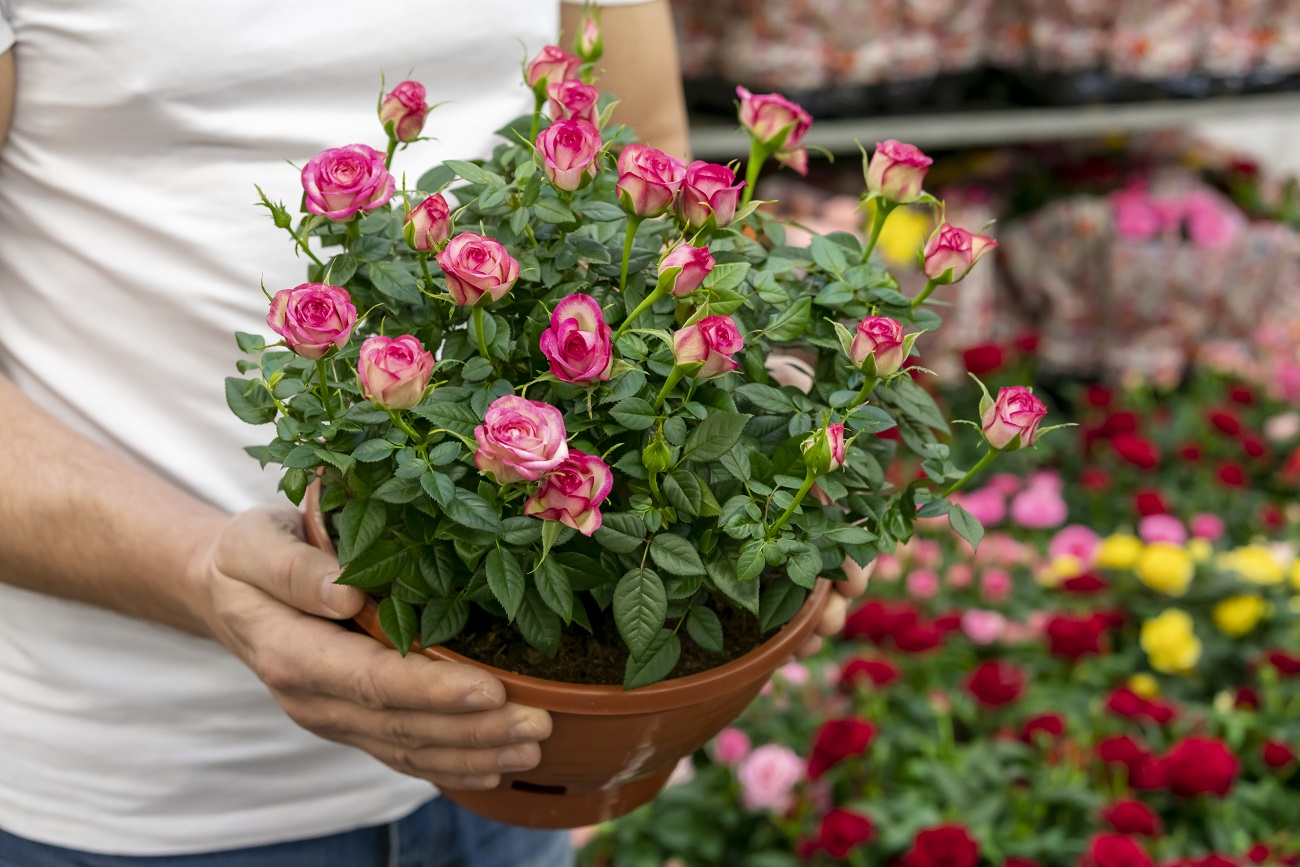 Autumn care for roses (photo: Magnific)