New threat to Kyiv: Russia ramps up ballistic and jet-powered drone strikes


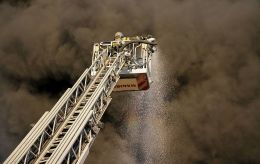
 Photo: Russia has intensified strikes on Kyiv for several reasons (Getty Images)
Russia has changed its tactics for air attacks and is placing greater emphasis on ballistic missiles and jet-powered drones. At the same time, the enemy could attempt to target energy facilities as early as now.
A Ukrainian Armed Forces serviceman and military-political expert, Oleksandr Musiienko, explained the reasons behind the intensification of attacks on Kyiv, the new threat posed by jet-powered drones, and the risks ahead in a comment to RBC-Ukraine.
Key points:
- Kyiv remains one of Russia’s main targets: The enemy seeks to strike logistics hubs, defense enterprises, and facilities important to the capital’s functioning.
- Russia is stepping up missile strikes: While there used to be around three to four large-scale attacks per month, there could now be five to six, against a backdrop of almost daily individual launches.
- The enemy is using a “window of opportunity”: Russian forces are using ballistic weapons more actively because deliveries of PAC-3 missiles for Patriot systems to Ukraine have slowed. These missiles can intercept such targets.
- The Kremlin is changing tactics: Russia is increasingly using jet-powered drones and “Banderol” drones to complicate the work of Ukrainian air defenses.
- Ukraine is looking for new ways to counter the threat: Work is underway on jet-powered interceptor drones designed to combat Geran and Banderol drones.
- Russia could start targeting energy facilities now: New attacks on energy infrastructure cannot be ruled out even before the cold weather begins.
Why Russia is attacking Kyiv almost every day
According to Musiienko, the capital has always remained in the enemy’s sights. At the same time, Kyiv is not the only city Russia is attempting to attack with ballistic weapons. Zaporizhzhia, Kharkiv, and Dnipro are also among its main targets.
The expert separately highlighted logistics. In Russia’s view, many facilities in and around Kyiv connect different parts of Ukraine. Damaging them could create problems with supplies.
Among the targets the enemy considers are military-industrial complex facilities and defense industry enterprises. In addition, attacks on the capital may be aimed at disrupting the city’s normal functioning.
Russia increases the number of ballistic attacks
Musiienko said the Defense Forces are looking for ways to counter Russian ballistic weapons. According to him, there was already a case when a large-scale attack on Kyiv was disrupted during the night of August 10.
At the time, Russia allegedly planned to use more than 20 missiles in a single salvo. The attack was prevented thanks to strikes by the Defense Forces, the overloading of Russian air defenses in the Bryansk, Kursk, and Belgorod regions, and other measures.
At the same time, Russia is likely rushing to use the current “window of opportunity” because deliveries of PAC-3 interceptor missiles for Patriot systems to Ukraine have slowed to some extent.
“If we are talking about two, three, four, or five missiles, the enemy can practically launch strikes every day, or try to do so,” the expert said.
In his assessment, Russian forces previously carried out three to four large-scale attacks per month, whereas there could now be five to six large-scale launches, along with daily individual strikes. At the same time, the number of smaller attacks involving fewer missiles could increase.
Meanwhile, Russia has reduced its use of strategic aviation and naval missile carriers. In particular, the strikes on Novorossiysk during the night of August 12 were aimed specifically at destroying ships capable of carrying Kalibr missiles.
“Over the past night, the Defense Forces did a great deal to make sure we don't have to think about Kalibrs. The strikes against Novorossiysk were also aimed at the carriers of Kalibr missiles. There will now be further information clarifying the damage, but this was definitely one of the targets,” the source said.
Why Russia is switching to Banderols and jet-powered drones
Russia is also increasingly using jet-powered drones and Banderols (drone-missiles). According to Musiienko, this is being done to make the work of Ukrainian air defenses more difficult.
Such targets are harder for mobile fire teams to intercept. The expert identifies surface-to-air missile systems and aircraft as the most effective means of combating them.
At the same time, he said the growing share of jet-powered drones has not yet had a significant impact on overall damage statistics.
The expert also said that Ukraine is working to improve jet-powered interceptor drones capable of combating jet-powered Gerans and Banderols.
Russia could start targeting energy facilities now
Musiienko also did not rule out that Russia could begin striking energy facilities now, without waiting for the cold weather to arrive.
According to him, there are currently no signs of Russia making any particular effort to build up missile stockpiles — it is essentially using what it produces.
At the same time, as noted above, the enemy could take advantage of the current “window of opportunity” while Ukraine awaits new interceptor missiles and develops ways to disrupt Russian attacks.